The Best Lemongrass Companion Plants For A Thriving Garden
The Best Lemongrass Companion Plants for a Thriving Garden
Lemongrass is a versatile herb that can be used in a variety of dishes, from Thai curries to lemongrass tea. It's also a great addition to any garden, as it can help to repel pests and attract beneficial insects.
When choosing companion plants for lemongrass, it's important to consider their growing requirements. Lemongrass prefers full sun and well-drained soil. It's also a relatively tall plant, so you'll need to choose companions that won't be shaded out.
Here are some of the best lemongrass companion plants:
- Cilantro: Cilantro is a close relative of lemongrass, and the two plants complement each other well. They both have a citrusy flavor, and they can be used in many of the same dishes. Cilantro is also a good companion for tomatoes, peppers, and other vegetables.
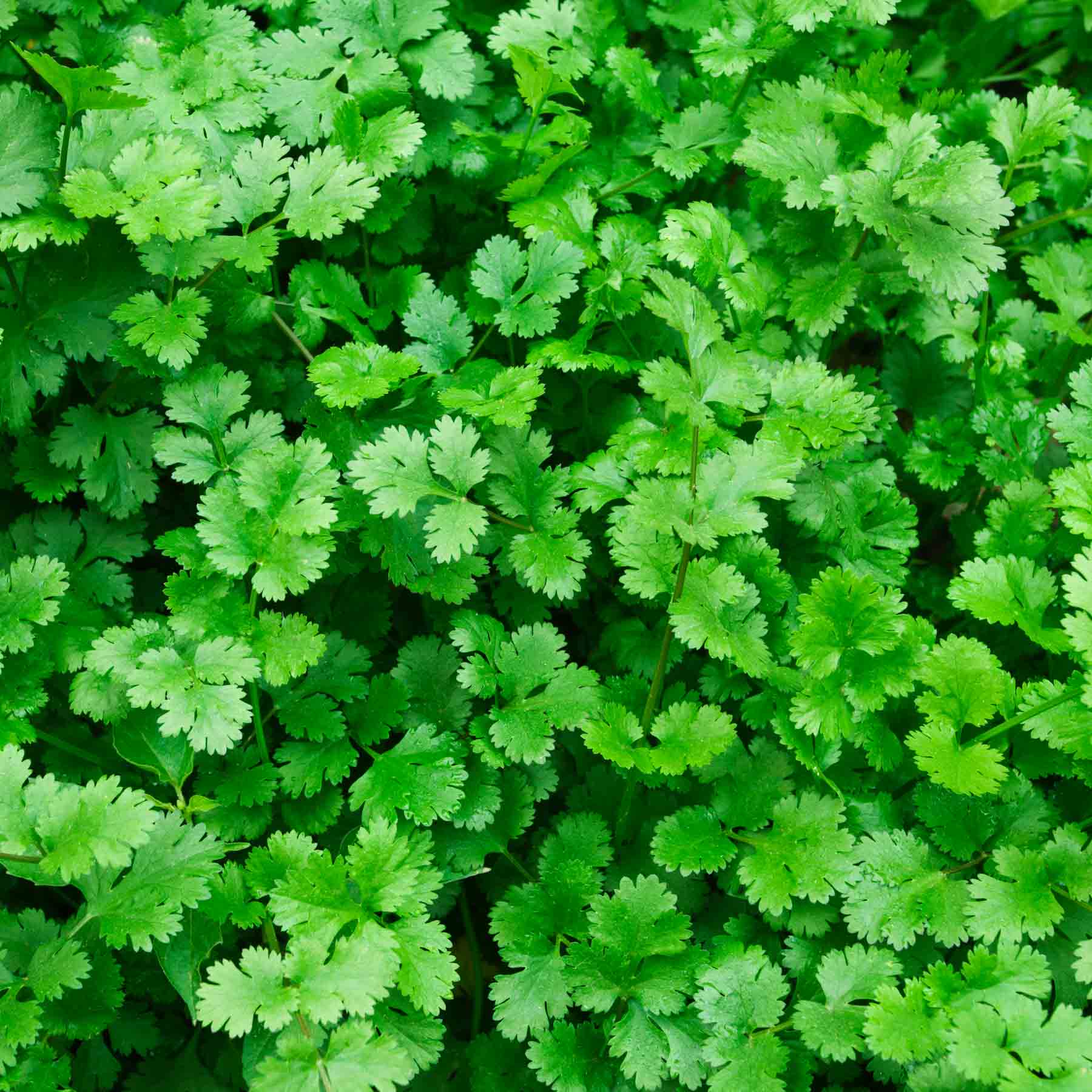
- Basil: Basil is another herb that loves the sun and well-drained soil. It's also a good source of nectar for pollinators, which can help to keep your garden healthy. Basil can be used in a variety of dishes, both savory and sweet.
- Thyme: Thyme is a low-growing herb that is perfect for filling in the spaces around lemongrass. It's also a good source of nectar for pollinators, and it can help to repel pests. Thyme can be used fresh or dried in a variety of dishes.
- Mint: Mint is a vigorous grower, so it's important to plant it in a container or in a designated area where it can spread out. Mint is a good companion for lemongrass because it can help to repel mosquitoes and other pests. It can also be used in a variety of dishes, both sweet and savory.
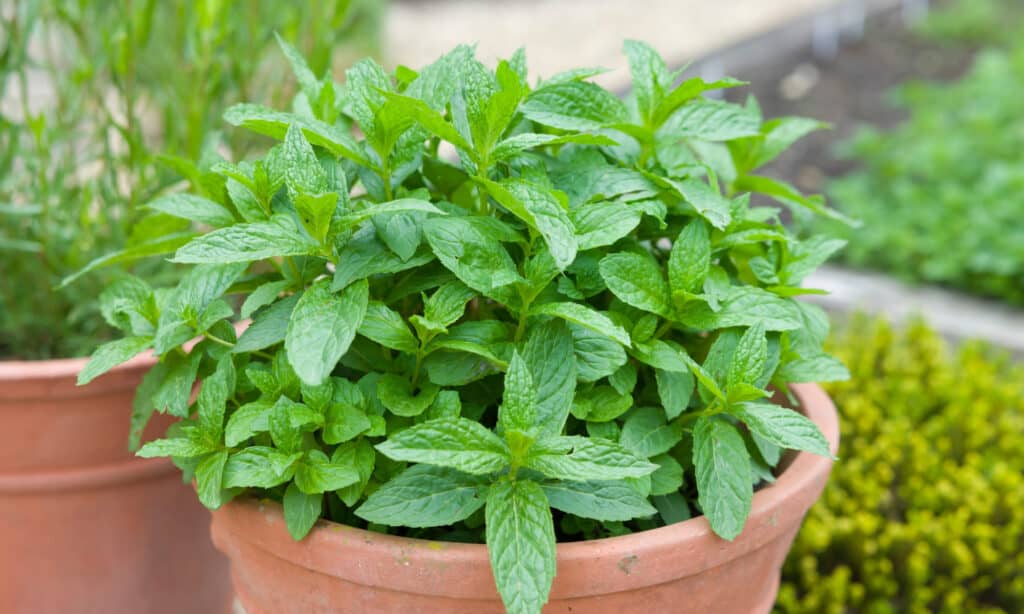
- Lemon verbena: Lemon verbena is a beautiful herb that has a strong lemony scent. It's a good companion for lemongrass because it can help to repel pests and attract beneficial insects. Lemon verbena can be used fresh or dried in a variety of dishes, or it can be brewed into a refreshing tea.

- Echinacea: Echinacea is a flowering plant that is known for its medicinal properties. It's also a good companion for lemongrass because it can help to repel pests. Echinacea can be planted in the ground or in containers, and it will bloom in the summer.
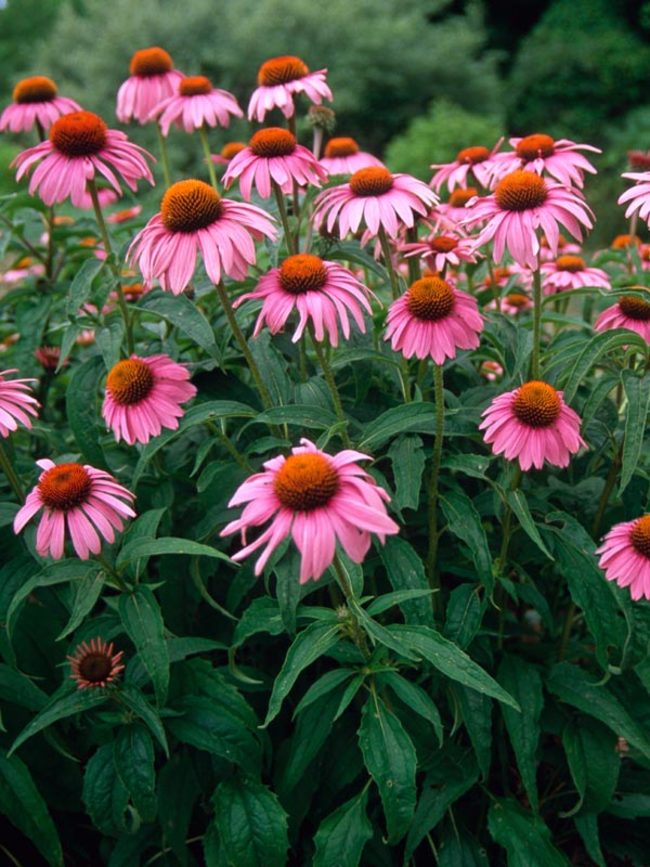
- Marigolds: Marigolds are another flowering plant that is known for its pest-repellent properties. They're also a good companion for lemongrass because they can help to attract beneficial insects. Marigolds can be planted in the ground or in containers, and they will bloom in the summer.
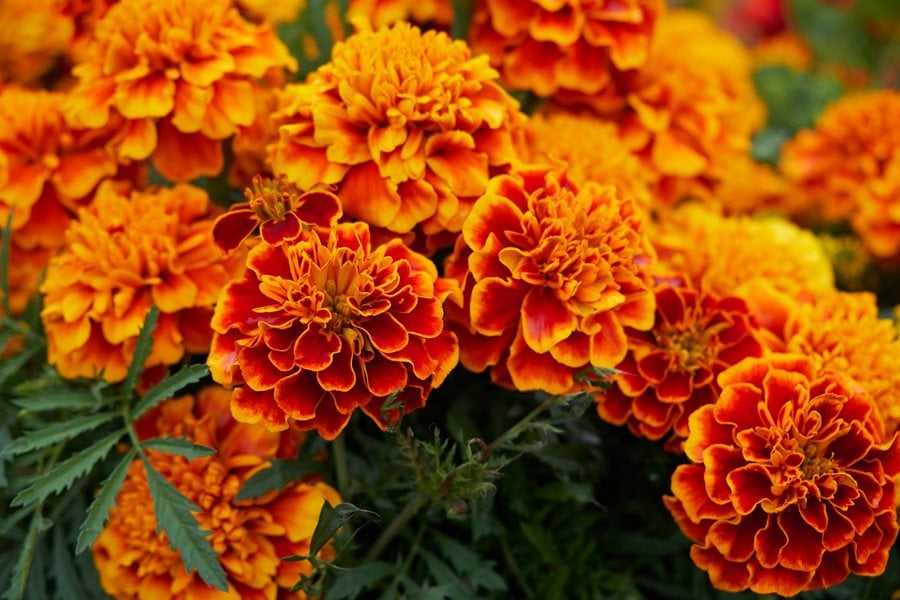
In addition to these plants, there are a number of other herbs and vegetables that can be grown alongside lemongrass. Some good choices include tomatoes, peppers, eggplant, beans, and corn.
When planting lemongrass with other plants, it's important to consider the size of the plants as they mature. Lemongrass can grow quite tall, so you'll need to leave enough space for it to spread out. You'll also need to make sure that the other plants have similar growing requirements.
With a little planning, you can create a thriving garden with lemongrass and its companion plants. These plants will help to keep each other healthy and pest-free, and they will also add beauty and fragrance to your garden.
Lemongrass is a versatile herb that can be used in cooking, as a natural insect repellent, and even to improve soil quality. When it comes to companion planting, lemongrass is a great choice because it can help to deter pests and attract beneficial insects. Some of the best companion plants for lemongrass include:
- Cilantro: Cilantro and lemongrass have similar growth requirements and can be planted together in the same garden bed. Cilantro also helps to repel pests like aphids and whiteflies.
- Basil: Basil and lemongrass are both aromatic herbs that can be used in cooking. They also have similar pest-repelling properties.
- Thyme: Thyme is a low-growing herb that can be planted around the base of lemongrass plants. Thyme helps to deter pests and also attracts beneficial insects like ladybugs.
- Mint: Mint is a fast-growing herb that can be planted in containers or in the ground. Mint helps to repel pests and also improves soil quality.
- Lemon verbena: Lemon verbena is a fragrant herb that can be planted near lemongrass plants. Lemon verbena helps to attract beneficial insects and also deters pests.
For more information about lemongrass companion plants, please visit Gardenia Inspiration. This website has a comprehensive list of companion plants for lemongrass, as well as tips on how to plant and care for these plants.
FAQ of lemongrass companion plants
Q: What are some good companion plants for lemongrass?
A: Lemongrass is a versatile herb that can be paired with a variety of other plants. Some good companion plants for lemongrass include:
- Cilantro: Cilantro and lemongrass have a similar flavor profile, so they make a great pairing. They can be planted together in the same pot or garden bed.
- Basil: Basil and lemongrass are both herbs that repel pests, so they can help to protect each other from insects. They can also be used together in cooking.
- Thyme: Thyme and lemongrass both have strong flavors, so they can be used to add depth and complexity to dishes. They can also be planted together in the same pot or garden bed.
- Mint: Mint and lemongrass have a refreshing, citrusy flavor that pairs well together. They can be planted together in the same pot or garden bed, but be sure to keep an eye on the mint, as it can be invasive.
- Lemon verbena: Lemon verbena and lemongrass have a similar citrusy aroma, so they make a great pairing. They can be planted together in the same pot or garden bed, or used together in potpourris or diffusers.
Q: What are the benefits of planting lemongrass with other plants?
A: There are several benefits to planting lemongrass with other plants. For example:
- Lemongrass can help to repel pests. The strong scent of lemongrass can deter insects like mosquitoes, ants, and flies.
- Lemongrass can help to improve soil quality. The roots of lemongrass release nutrients into the soil, which can benefit other plants.
- Lemongrass can help to attract pollinators. The flowers of lemongrass attract bees and butterflies, which can help to pollinate other plants in the garden.
Q: What are some plants that should not be planted with lemongrass?
A: There are a few plants that should not be planted with lemongrass. These include:
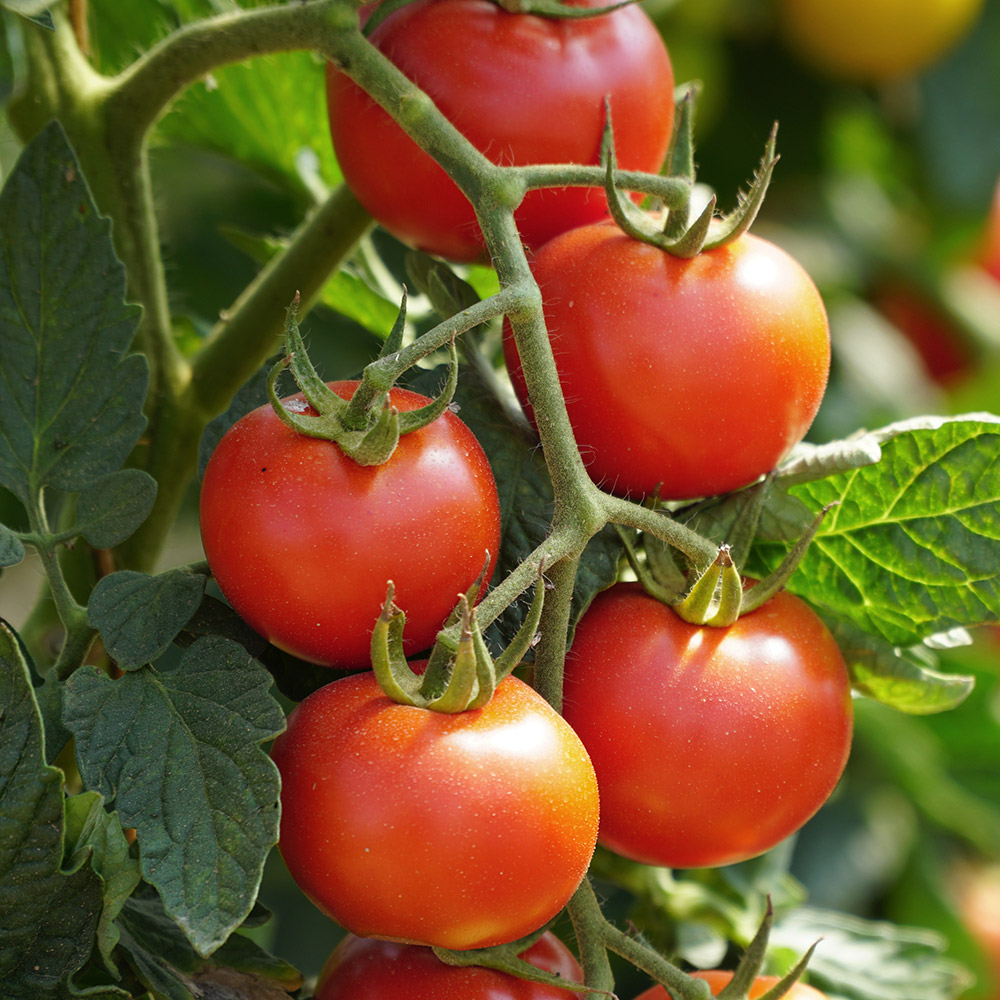
- Tomatoes: Tomatoes and lemongrass compete for the same nutrients, so planting them together can stunt the growth of both plants.
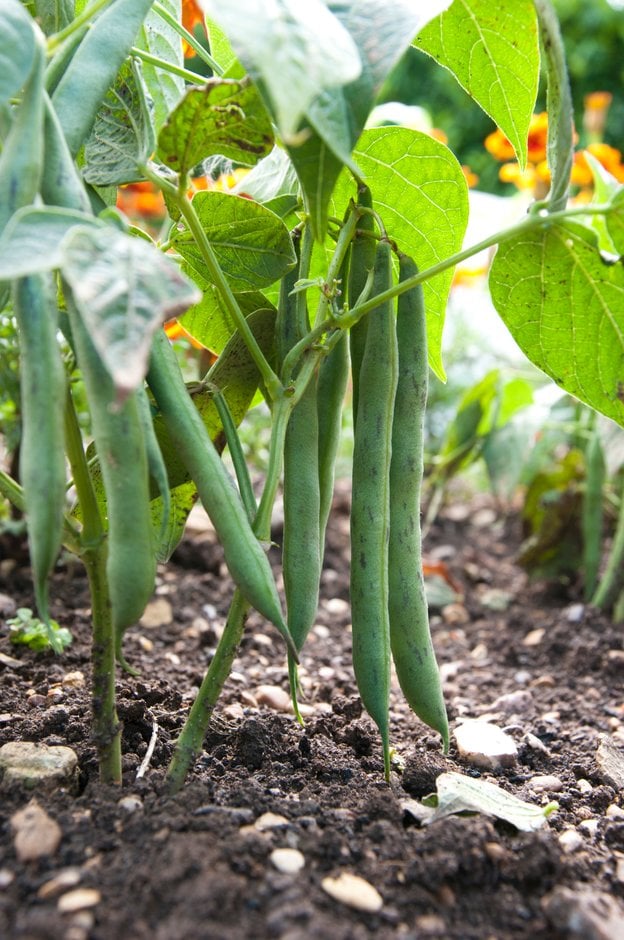
- Beans: Beans and lemongrass can attract the same pests, so planting them together can make it more difficult to control pests.
-(2).jpg)
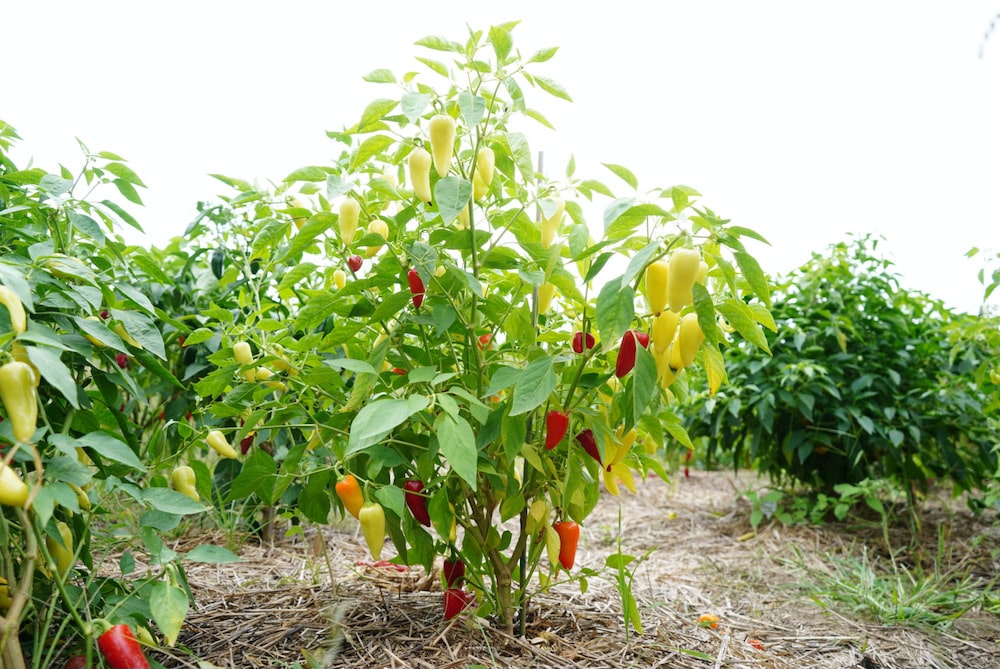
- Peppers: Peppers and lemongrass can compete for the same sunlight, so planting them together can lead to one plant shading out the other.
Q: How far apart should lemongrass plants be planted?
A: Lemongrass plants should be planted about 2-3 feet apart. This will give them enough space to grow and spread out.
Image of lemongrass companion plants
- Basil. Basil is a great companion plant for lemongrass because it helps to repel pests and attract beneficial insects.

- Bee Balm. Bee balm is another herb that helps to repel pests and attract beneficial insects. It also has the added benefit of attracting pollinators, which can help to improve the yield of your lemongrass plants.
- Cilantro. Cilantro is a member of the same family as lemongrass, so it is a natural companion plant. It also helps to repel pests and attract beneficial insects.
- Echinacea. Echinacea is a flowering plant that is known for its medicinal properties. It also helps to repel pests and attract beneficial insects.
- Ginger. Ginger is a relative of lemongrass, and it can be planted in the same area. Ginger helps to repel pests and attract beneficial insects.


Post a Comment for "The Best Lemongrass Companion Plants For A Thriving Garden"