Grow Bigger Better Kohlrabi With The Right Companion Plants
Kohlrabi is a delicious and versatile vegetable that is easy to grow. It is a member of the cabbage family, and its edible bulbous stem is similar in flavor to broccoli stems. Kohlrabi can be eaten raw, cooked, or pickled.
One of the best ways to improve the growth and flavor of kohlrabi is to plant it with the right companion plants. Companion planting is the practice of planting different types of plants together in order to benefit each other. Some companion plants can help to repel pests, attract beneficial insects, or improve the soil quality.
Here are some of the best companion plants for kohlrabi:
- Nasturtiums: Nasturtiums are a great companion plant for kohlrabi because they help to repel pests such as aphids, cabbage moths, and flea beetles. They also add a splash of color to the garden.

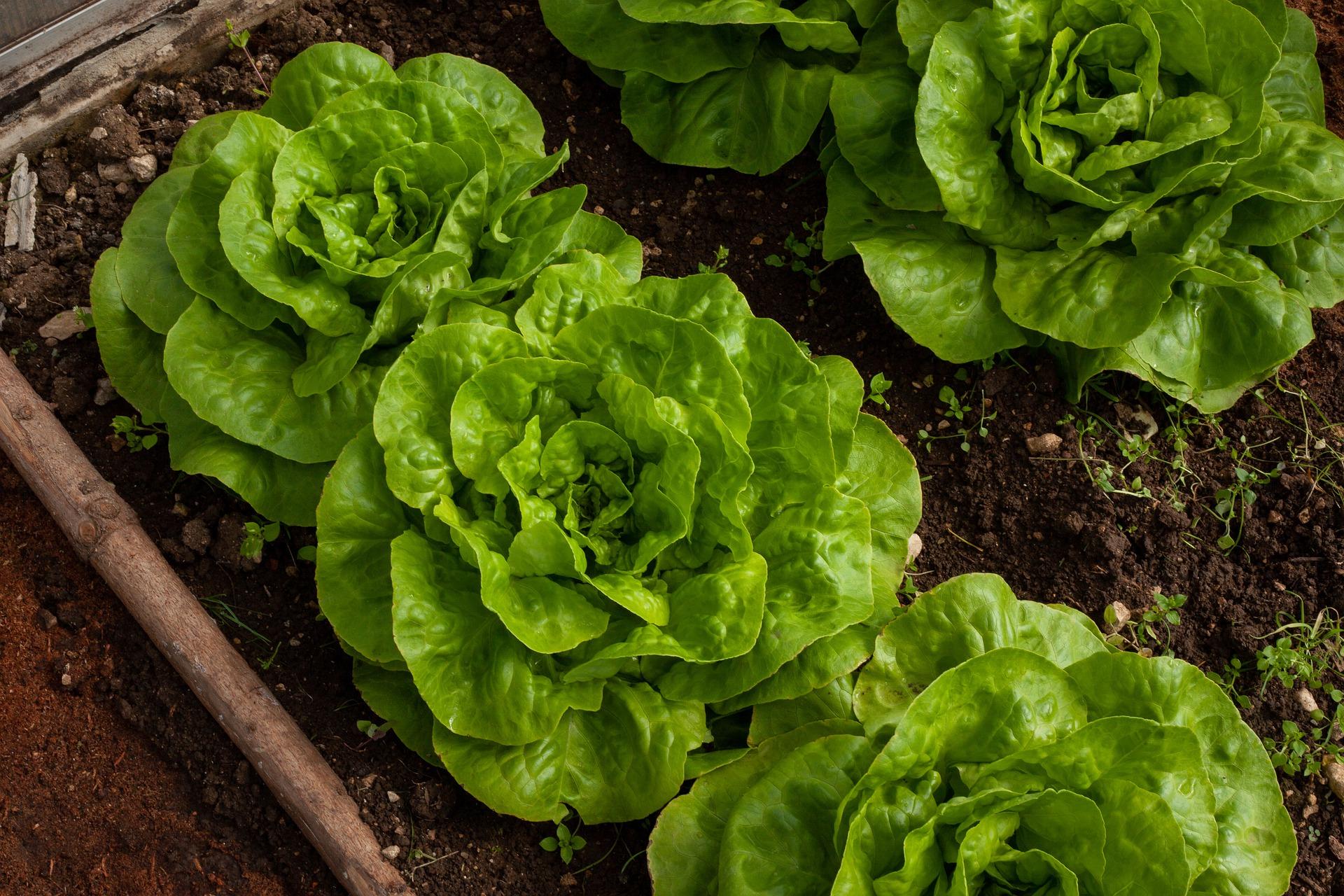
- Lettuce: Lettuce is another good companion plant for kohlrabi because it helps to suppress weeds. It also provides shade for the kohlrabi, which can help to prevent it from bolting (flowering prematurely).
- Celery: Celery is a good companion plant for kohlrabi because it helps to improve the soil quality. It also attracts beneficial insects, such as ladybugs, which help to control pests.

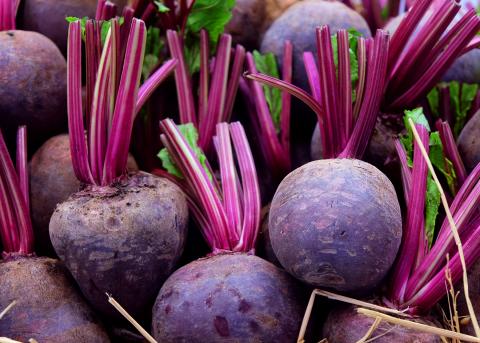
- Beets: Beets are a good companion plant for kohlrabi because they help to deter pests such as cabbage loopers. They also help to improve the soil quality.
- Cucumbers: Cucumbers are a good companion plant for kohlrabi because they help to attract beneficial insects, such as parasitic wasps, which help to control pests. They also help to improve the soil quality.

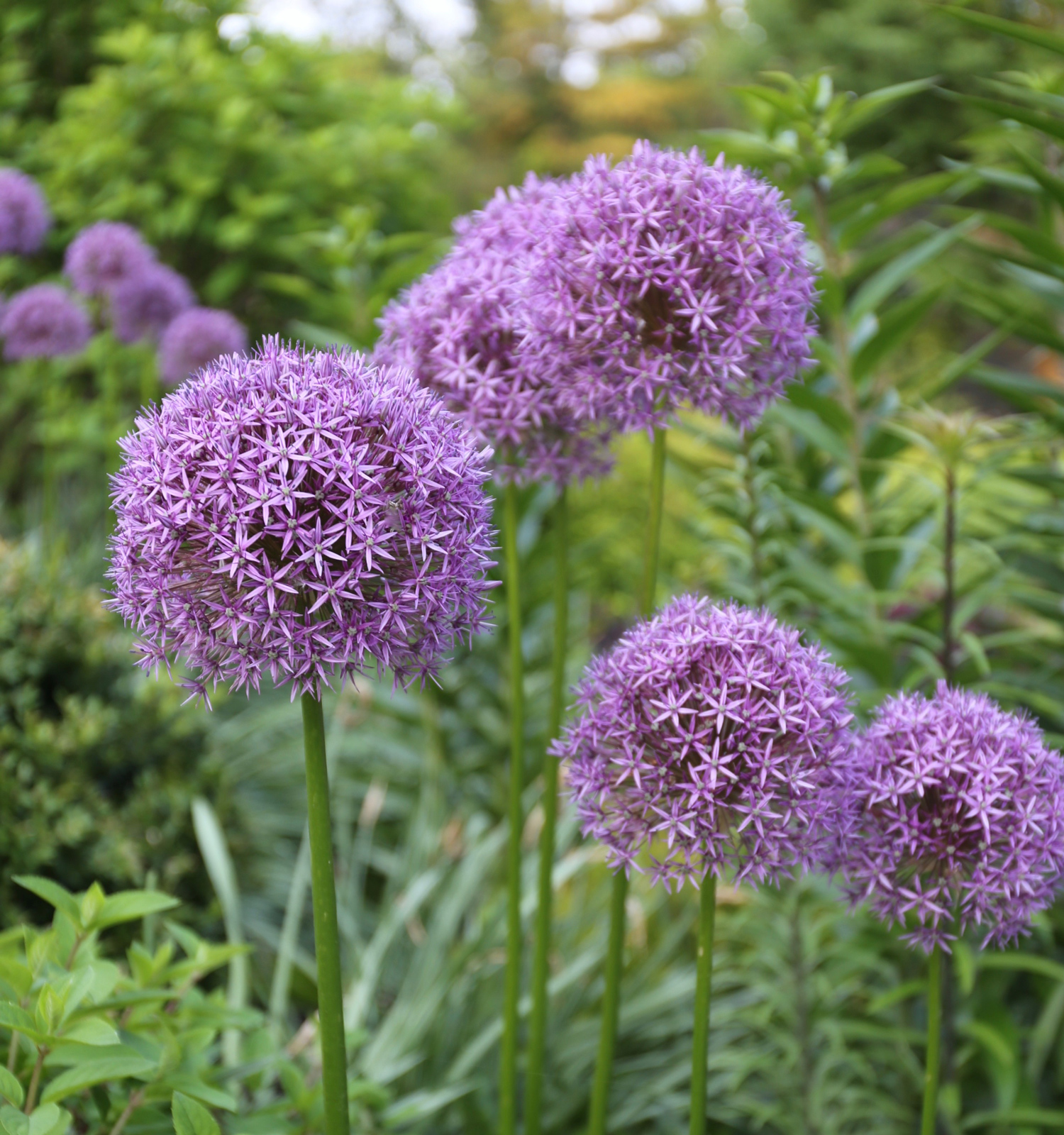
- Alliums: Alliums, such as onions, garlic, and chives, are good companion plants for kohlrabi because they help to repel pests such as aphids, cabbage moths, and root maggots. They also help to improve the soil quality.
- Thyme: Thyme is a good companion plant for kohlrabi because it helps to improve the flavor of the kohlrabi. It also helps to deter pests such as cabbage moths.
When planting kohlrabi with companion plants, it is important to space the plants appropriately. Kohlrabi needs at least 18 inches of space between plants, so you will need to adjust the spacing of the other companion plants accordingly.
You can also plant kohlrabi with some non-companion plants, but you may need to take some extra precautions. For example, you can plant kohlrabi with tomatoes, but you will need to keep an eye out for pests such as tomato hornworms.
Kohlrabi is a relatively easy vegetable to grow, but it can be susceptible to pests and diseases. By planting it with the right companion plants, you can help to protect your kohlrabi from these problems and improve its growth and flavor.
Kohlrabi is a delicious and versatile vegetable that can be enjoyed in many different ways. But did you know that there are certain plants that can help kohlrabi grow even better? That's right, companion planting can be a great way to improve the health and productivity of your kohlrabi plants.
Some of the best companion plants for kohlrabi include:
- Beans: Beans fix nitrogen in the soil, which can help kohlrabi to grow more vigorously.
- Beets: Beets help to suppress pests and diseases, which can protect kohlrabi from harm.
- Celery: Celery helps to attract beneficial insects, which can help to pollinate kohlrabi flowers and control pests.
- Cucumbers: Cucumbers help to keep the soil moist, which is important for kohlrabi plants.
- Lettuce: Lettuce helps to shade the soil, which can help to prevent weeds from growing.
If you're interested in learning more about kohlrabi companion plants, I recommend visiting Garden Wiki. This website has a wealth of information about companion planting, including a list of the best plants to grow with kohlrabi.
FAQ of kohlrabi companion plants
Q: What are the best companion plants for kohlrabi?
A: The best companion plants for kohlrabi are those that have similar growing requirements and that can help to deter pests or diseases. Some good options include:
- Beans: Beans fix nitrogen in the soil, which can benefit kohlrabi. They also help to suppress weeds.
- Beets: Beets help to deter cabbage root maggots, which can be a problem for kohlrabi.
- Celery: Celery helps to repel aphids, which can also be a problem for kohlrabi.
- Chamomile: Chamomile helps to attract beneficial insects, which can help to control pests.
- Chives: Chives help to repel pests, such as aphids and cabbage moths.
- Dill: Dill helps to attract beneficial insects, such as ladybugs and hoverflies.
- Nasturtiums: Nasturtiums help to deter pests, such as aphids and whiteflies.
- Rosemary: Rosemary helps to repel pests, such as cabbage moths and flea beetles.
Q: What are some bad companion plants for kohlrabi?
A: Some bad companion plants for kohlrabi are those that are heavy feeders or that can attract pests. Some examples include:
- Corn: Corn is a heavy feeder and can compete with kohlrabi for nutrients.
- Cucurbits (squash, melons, cucumbers): Cucurbits are also heavy feeders and can compete with kohlrabi for nutrients.
- Peppers: Peppers can attract pests, such as aphids and whiteflies.
- Strawberries: Strawberries can attract pests, such as slugs and snails.
- Tomatoes: Tomatoes can attract pests, such as aphids and whiteflies.
Q: What are the benefits of companion planting with kohlrabi?
A: There are several benefits to companion planting with kohlrabi. These include:
- Improved plant growth: Companion plants can help to improve the growth of kohlrabi by providing nutrients, attracting beneficial insects, or deterring pests.
- Increased yields: Companion plants can help to increase the yields of kohlrabi by providing more space for the plants to grow or by attracting pollinators.
- Reduced pest and disease problems: Companion plants can help to reduce pest and disease problems by attracting beneficial insects or deterring pests.
Q: How do I plant kohlrabi with companion plants?
A: When planting kohlrabi with companion plants, it is important to consider the size and growth habits of the plants. For example, tall plants, such as beans, should be planted on the north side of kohlrabi plants to prevent them from shading the kohlrabi. It is also important to space the plants appropriately so that they have enough room to grow.
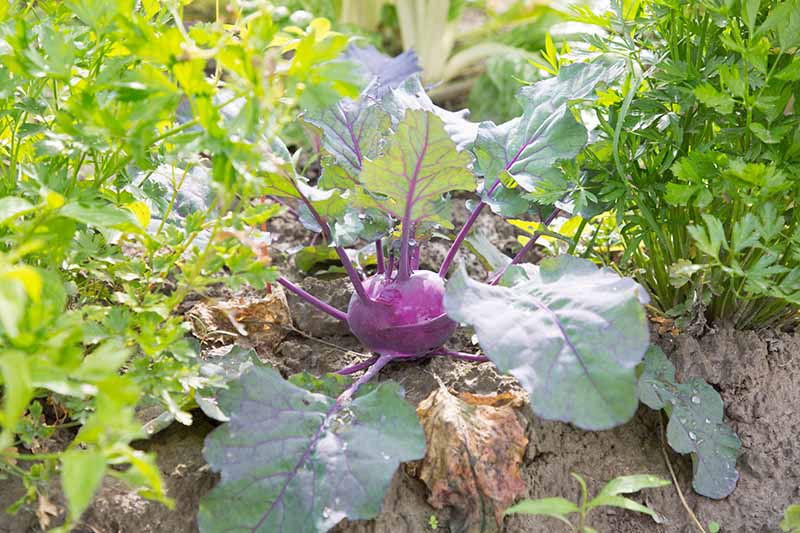
Image of kohlrabi companion plants
- Kohlrabi and beans: Beans are nitrogen-fixing plants, which means they can help to improve the soil quality for kohlrabi. They also help to deter pests, such as cabbage worms.
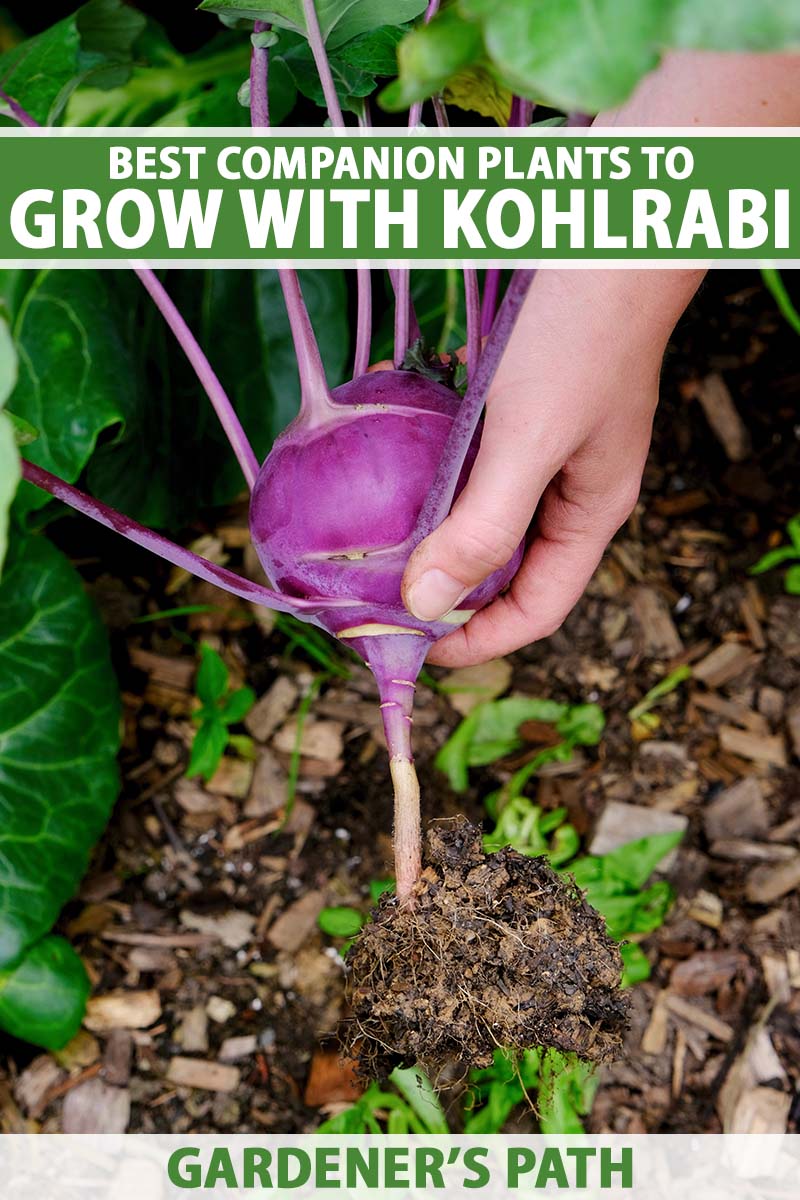
- Kohlrabi and beets: Beets are another good companion plant for kohlrabi. They help to suppress weeds and attract beneficial insects.
- Kohlrabi and celery: Celery is a great companion plant for kohlrabi because it helps to repel pests. It also helps to improve the flavor of kohlrabi.
- Kohlrabi and chamomile: Chamomile is a flowering herb that helps to repel pests and attract beneficial insects. It also helps to improve the soil quality for kohlrabi.
- Kohlrabi and nasturtiums: Nasturtiums are a flowering plant that helps to repel pests and attract beneficial insects. They also help to improve the soil quality for kohlrabi.

Post a Comment for "Grow Bigger Better Kohlrabi With The Right Companion Plants"