How To Plant A Strawberry And Asparagus Bed For A Delicious Harvest
Introduction
Asparagus and strawberries are two delicious and versatile vegetables that can be enjoyed fresh, cooked, or frozen. They are also both perennials, which means that they will come back year after year with the proper care.
If you are looking for a way to add both asparagus and strawberries to your garden, planting them together in a companion planting bed is a great option. Companion planting is a gardening technique that involves planting different types of plants together that benefit each other. In the case of asparagus and strawberries, they benefit each other by using different levels of the soil. Asparagus has deep roots that reach down into the soil, while strawberries have shallow roots that stay closer to the surface. This allows them to both get the nutrients they need without competing with each other.
Main Content
Here are the steps on how to plant a strawberry and asparagus bed:
- Choose a location. Asparagus and strawberries need full sun, so choose a location in your yard that gets at least 6 hours of sunlight per day. The soil should also be well-drained.
- Prepare the soil. Amend the soil with compost or manure to improve drainage and fertility. The soil should be loose and crumbly so that the roots can easily spread.
- Plant the asparagus. Asparagus crowns should be planted 12-18 inches apart in rows that are 3-4 feet apart. Plant the crowns so that the roots are covered with soil and the crown is level with the ground.
- Plant the strawberries. Strawberries can be planted in the same rows as the asparagus, or they can be planted in a separate row between the asparagus rows. Space the strawberry plants 12-18 inches apart.
- Mulch. Apply a layer of mulch around the plants to help suppress weeds and retain moisture.
Care and Maintenance
Once your strawberry and asparagus bed is planted, you will need to care for it as follows:
- Water regularly. Asparagus and strawberries need regular watering, especially during the first year after planting.
- Fertilize annually. Fertilize your strawberry and asparagus bed with a balanced fertilizer in the spring.
- Weed regularly. Weeds can compete with your asparagus and strawberries for water and nutrients, so it is important to weed regularly.
- Protect from pests and diseases. Asparagus and strawberries are susceptible to a number of pests and diseases. Keep an eye on your plants and take steps to control any problems that arise.
Conclusion
Planting a strawberry and asparagus bed is a great way to enjoy both of these delicious vegetables for years to come. By following the simple steps above, you can create a thriving garden bed that will produce bountiful harvests.
Are you interested in planting a strawberry and asparagus bed in your garden? If so, I recommend visiting Home Gardening for more information. This website has a wealth of resources on companion planting, including a section specifically on strawberries and asparagus. You can learn about the benefits of planting these two vegetables together, as well as how to choose the right site and care for your plants.
FAQ of strawberry and asparagus bed
Frequently Asked Questions about Strawberry and Asparagus Bed
- What are the benefits of planting strawberries and asparagus together?
Strawberries and asparagus are two complementary crops that can be grown together in the same bed. Strawberries provide shade for the asparagus crowns during the early spring, which helps to protect them from the cold. Asparagus provides support for the strawberry plants, which can be prone to flopping over. Additionally, both crops are heavy feeders, so they benefit from the same type of soil.
- What is the best way to prepare a strawberry and asparagus bed?
The first step is to choose a sunny spot in your garden. The bed should be at least 4 feet wide and 6 feet long. Next, remove the existing vegetation and till the soil to a depth of 12 inches. Add a 3-inch layer of compost or manure to the soil, and then rake it smooth. Finally, plant the strawberries and asparagus according to the instructions on the plant tags.
- How do I care for a strawberry and asparagus bed?
Water the bed regularly, especially during the first year. Mulch the bed with straw or bark to help retain moisture and suppress weeds. Fertilize the bed in the spring and fall with a balanced fertilizer. In the early spring, you may need to protect the asparagus crowns from frost with a row cover.
- When will I start harvesting strawberries and asparagus?
Strawberries will start to ripen in the spring, usually around June. Asparagus will start to spear in the spring, usually around April or May. The exact timing will depend on the variety of strawberries and asparagus that you planted.
- How long will a strawberry and asparagus bed last?
With proper care, a strawberry and asparagus bed can last for many years. The strawberries will typically produce for 3-5 years, and the asparagus will produce for 10-15 years.
Image of strawberry and asparagus bed
10 different images of strawberry and asparagus bed that are free to use:
- A raised bed with strawberry plants and asparagus crowns.

- A row of strawberry plants in a garden bed with asparagus spears growing in the background.
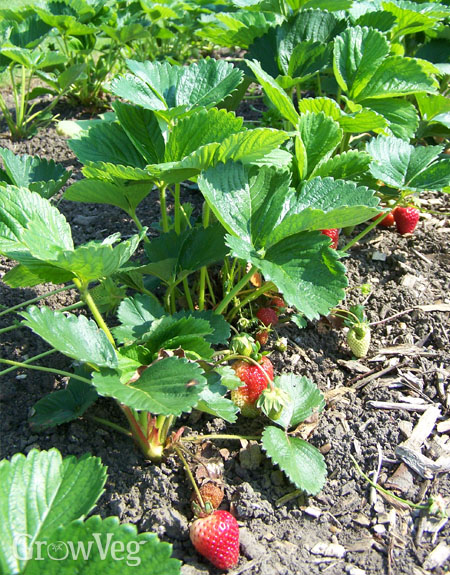
- A close-up of strawberry plants with ripe strawberries and asparagus spears.
- A strawberry and asparagus bed with a wooden border.

- A strawberry and asparagus bed in a sunny location.

- A strawberry and asparagus bed with a drip irrigation system.
- A strawberry and asparagus bed in a backyard garden.

- A strawberry and asparagus bed in a community garden.

- A strawberry and asparagus bed in a school garden.

- A strawberry and asparagus bed in a commercial farm.


Post a Comment for "How To Plant A Strawberry And Asparagus Bed For A Delicious Harvest"